Ohio Tech Night takes Ohio’s growing tech network to San Francisco
The first Ohio Tech Night: SF brought together Ohio founders, executives and institutions with Bay Area investors, operators and Ohio expats — the latest effort to build a stronger bridge between two increasingly connected technology ecosystems.
Ohio's technology community went west last week.
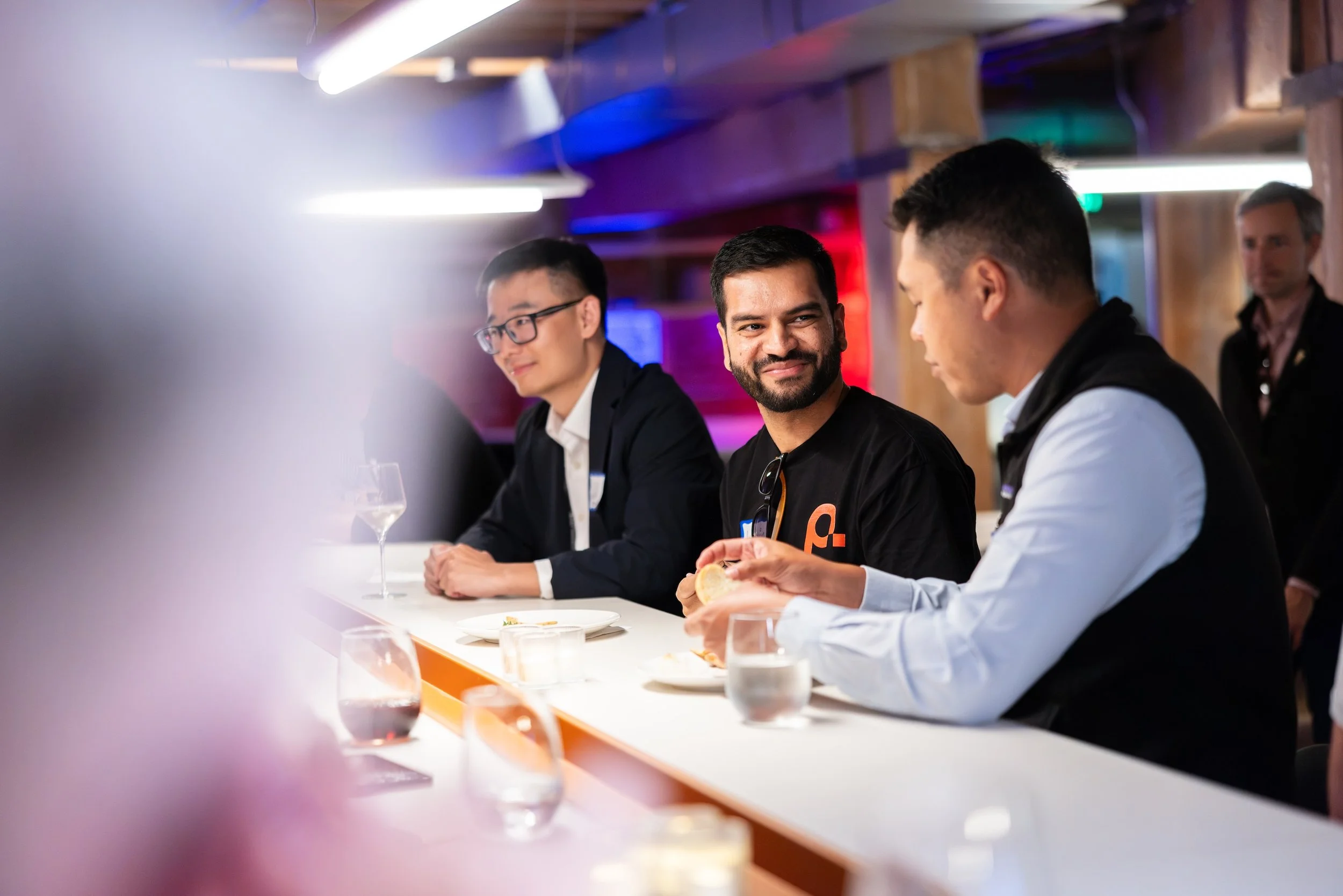
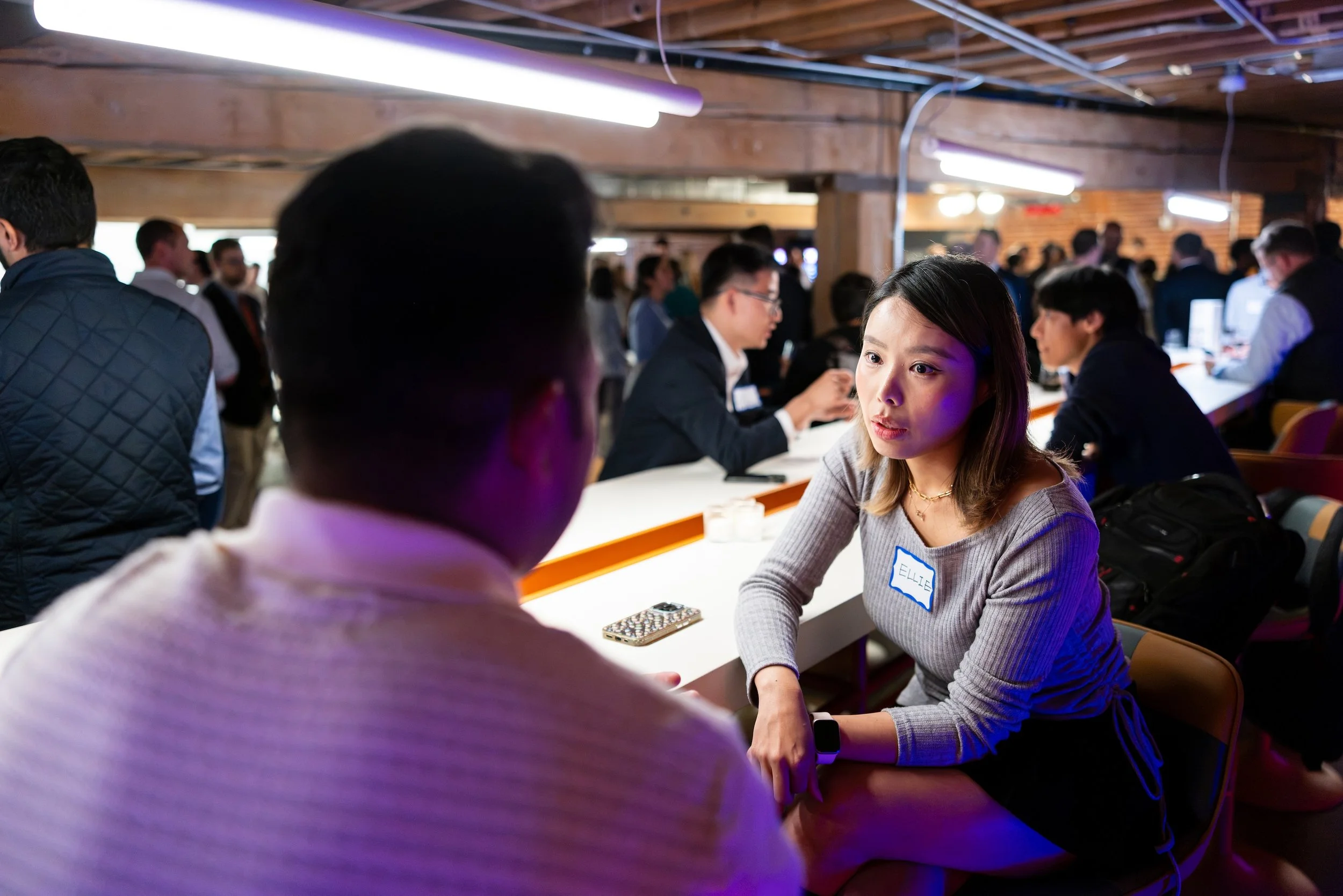
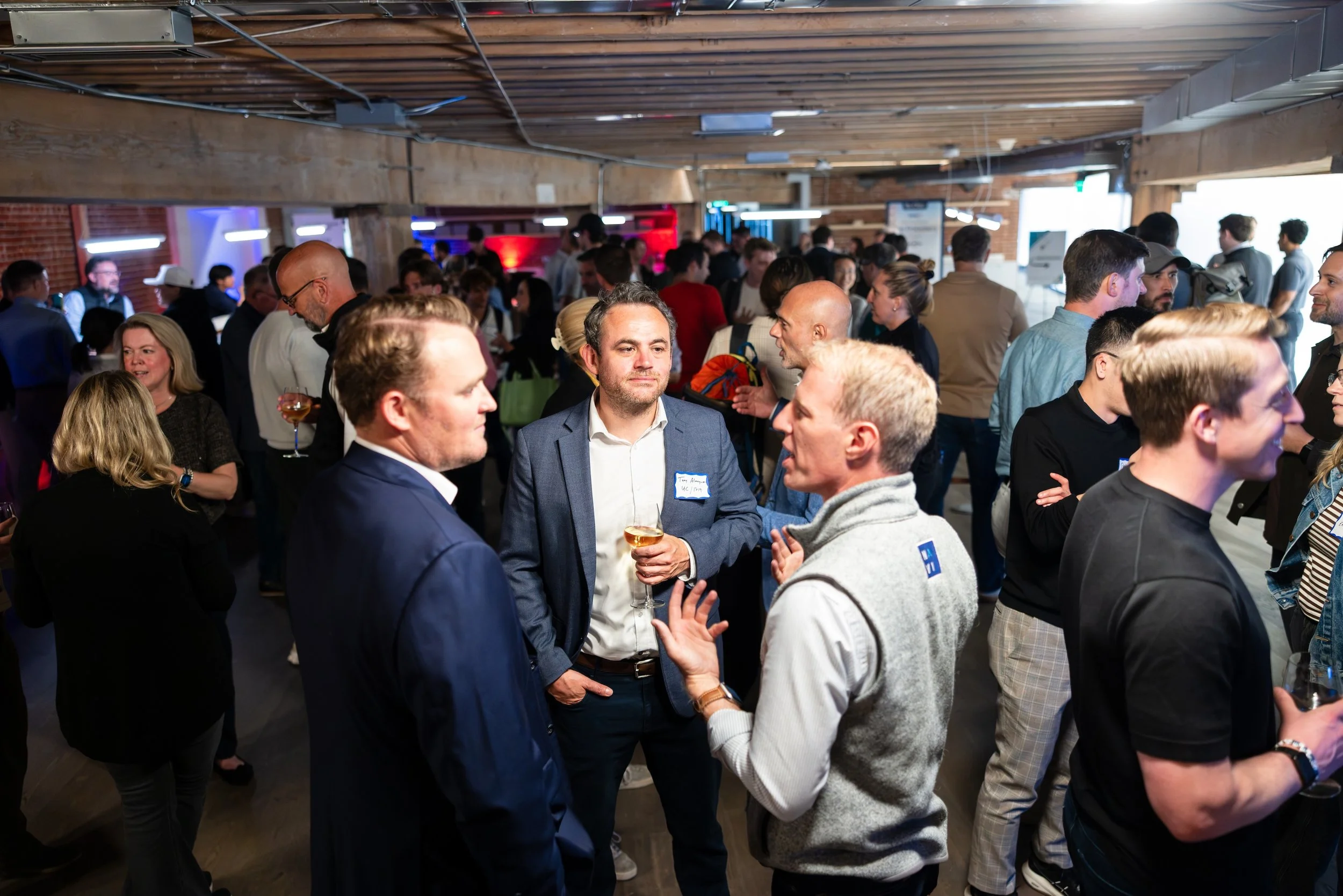
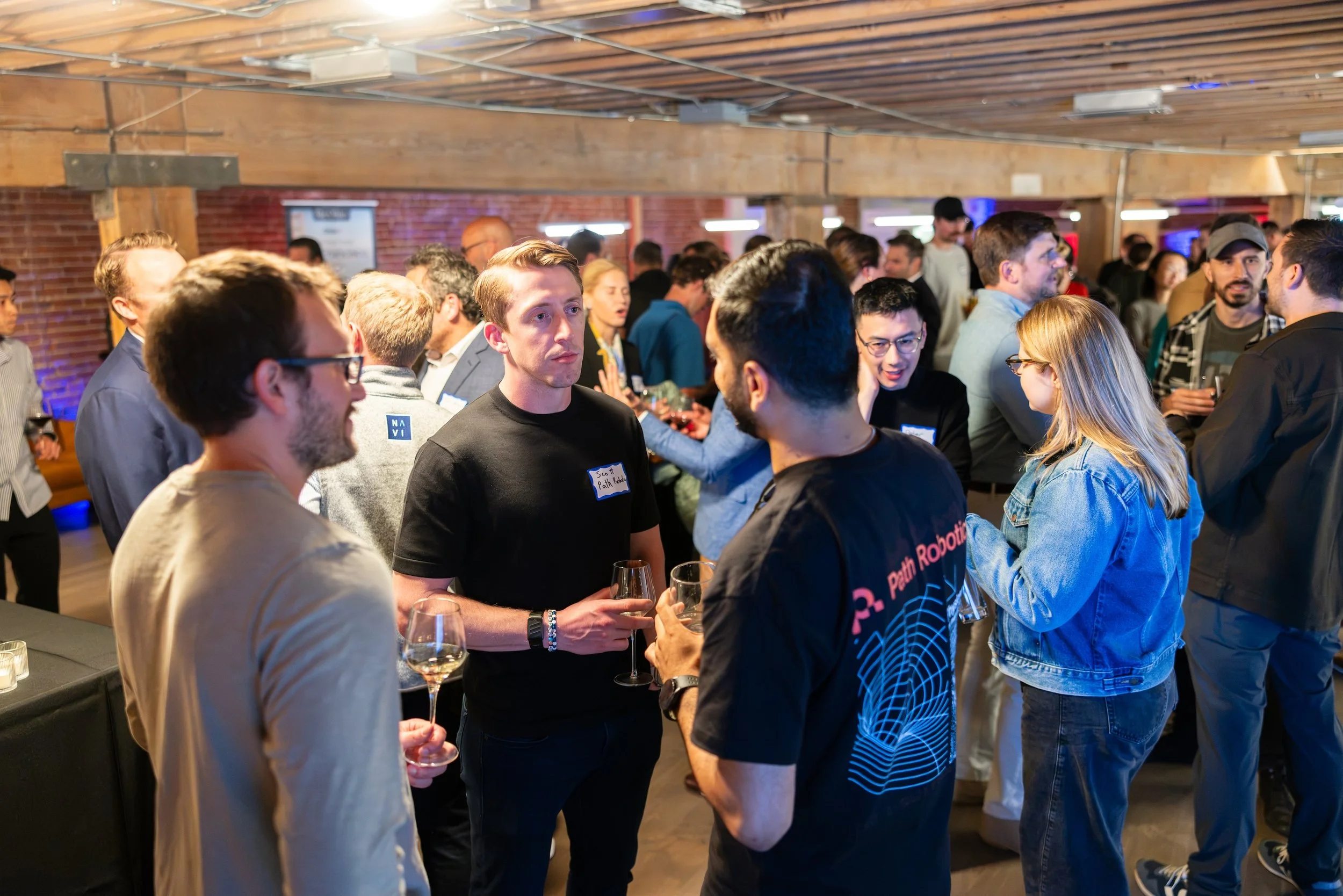
More than 200 people registered for the first Ohio Tech Night: San Francisco, bringing together founders, executives, investors and technology professionals with connections to Ohio and the Bay Area.
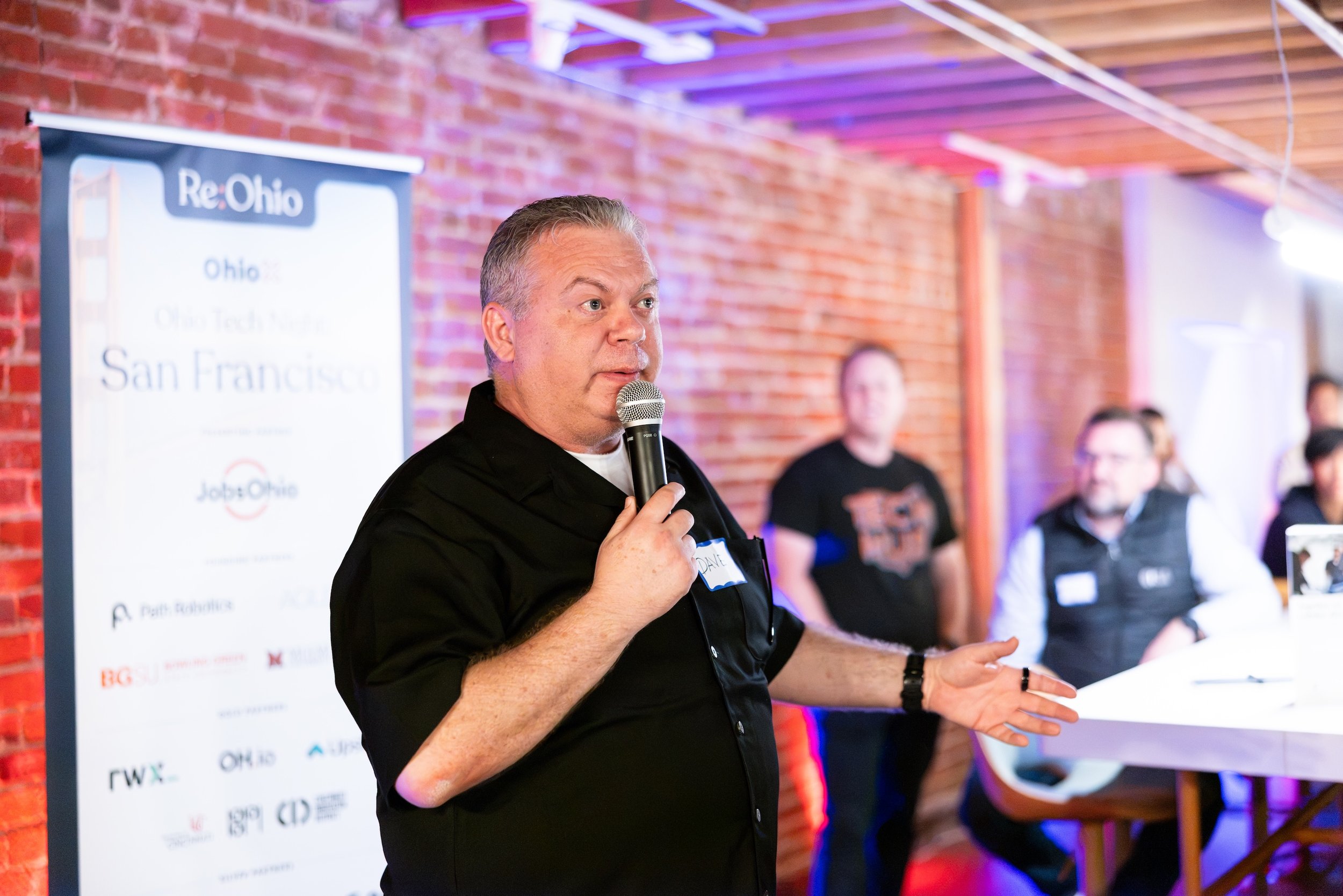
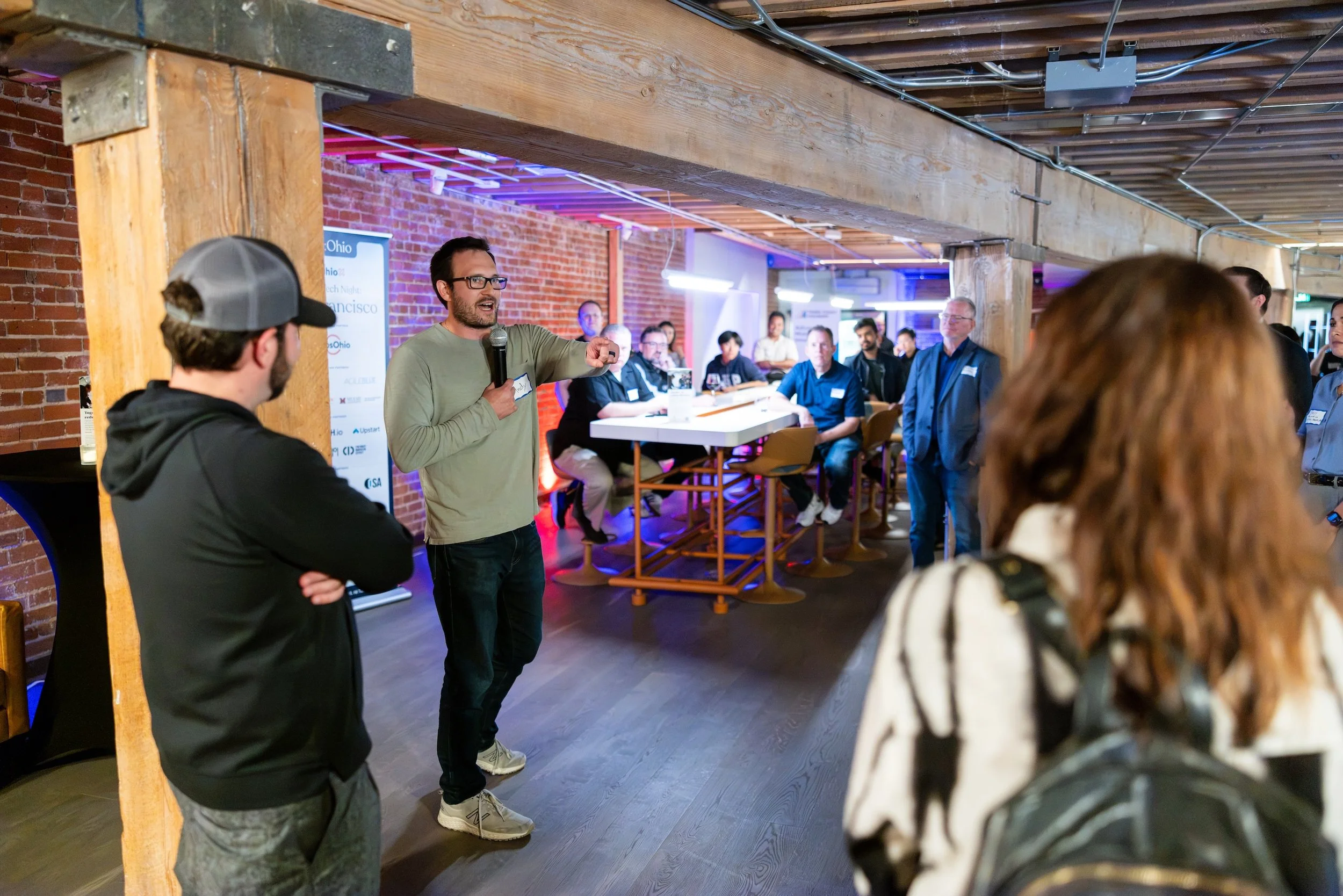
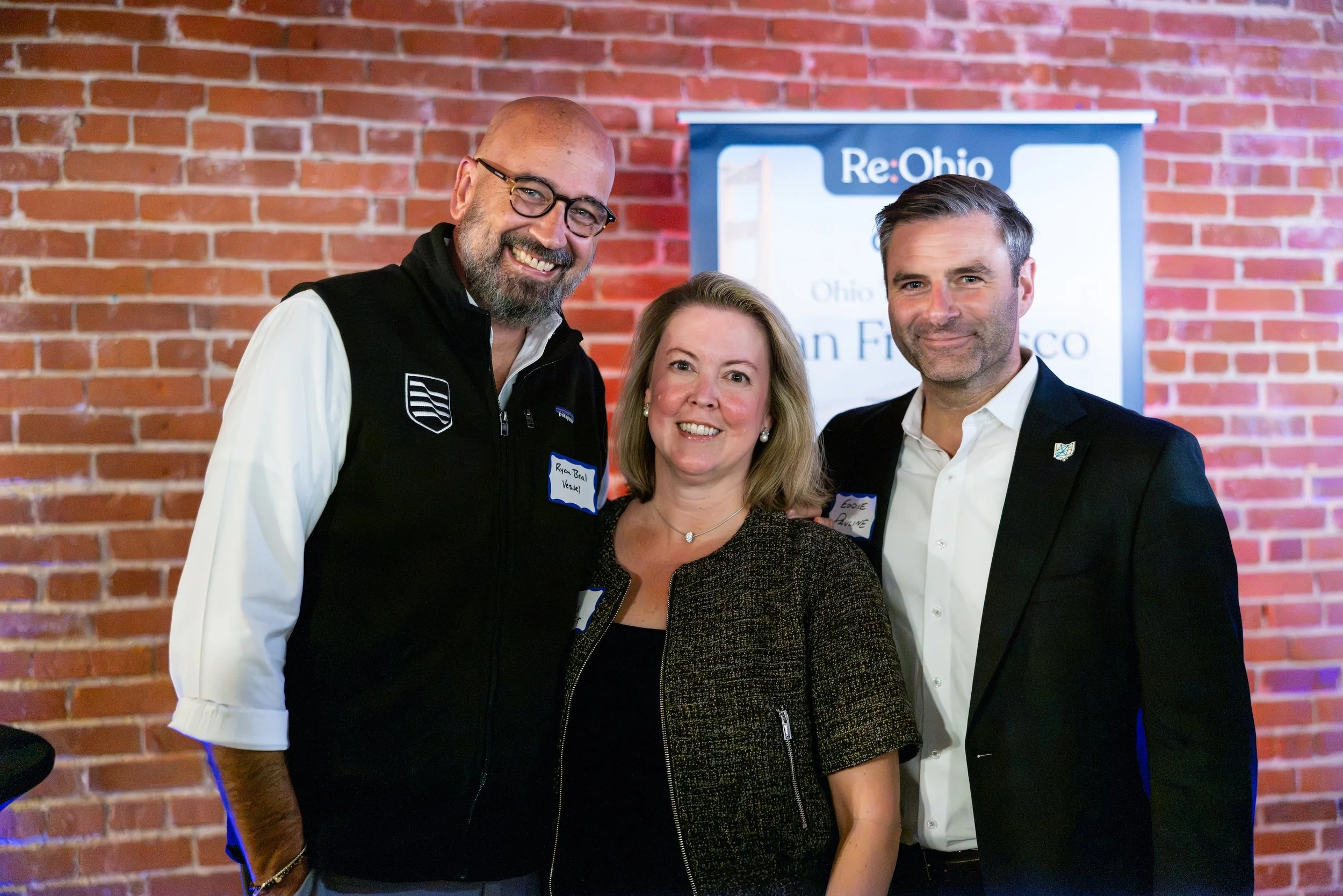
The Aug. 19 gathering was hosted by OhioX, JobsOhio and Ohio Life Sciences at Third Coast Foundry, the new San Francisco innovation hub backed by The Ohio State University and eight other major Midwest research universities. The event was designed around a simple idea: create a more intentional bridge between Ohio's growing technology economy and the people, capital and companies concentrated in Silicon Valley.
Roughly 70% of registrants came from the San Francisco region, while about a quarter traveled from Ohio.
For Ohio, the relationship with Silicon Valley is increasingly two-way.
Ohio founders still travel west looking for venture capital, customers and talent. But Bay Area companies have also established major operations in the state, Ohio-born technology executives have returned home, and Ohio institutions are increasingly establishing a presence in California rather than treating the coasts and Midwest as competing ecosystems.
Ohio State plants a flag in Silicon Valley
The venue itself is one example.
Ohio State and eight other research universities opened Third Coast Foundry in San Francisco's South Park neighborhood in June. The 3,500-square-foot hub is designed to give Midwest founders direct access to investors, partners and programming without requiring their companies to leave the region.
The participating universities collectively represent nearly $10 billion in annual research spending and more than 300,000 students.
For Ohio State, the strategy is not about moving Midwest startups west. It's about giving them a foothold in one of the world's densest concentrations of venture capital and technology companies while keeping their companies, talent and growth anchored closer to home.
Ohio Tech Night effectively put that thesis into practice — filling the new space with Ohio companies and leaders alongside Bay Area investors, operators and Ohioans now living in California.
Upstart shows what the bridge can look like
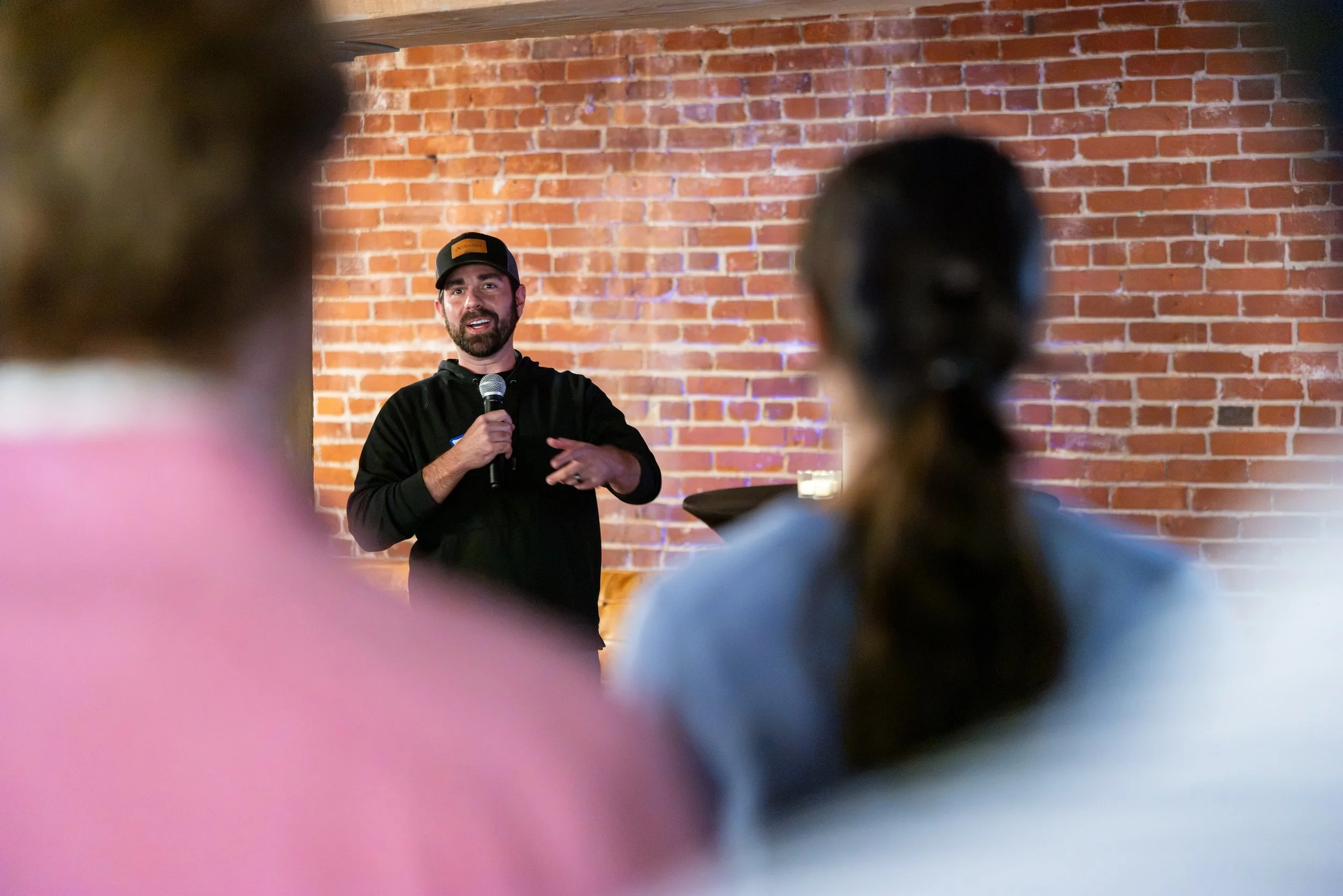
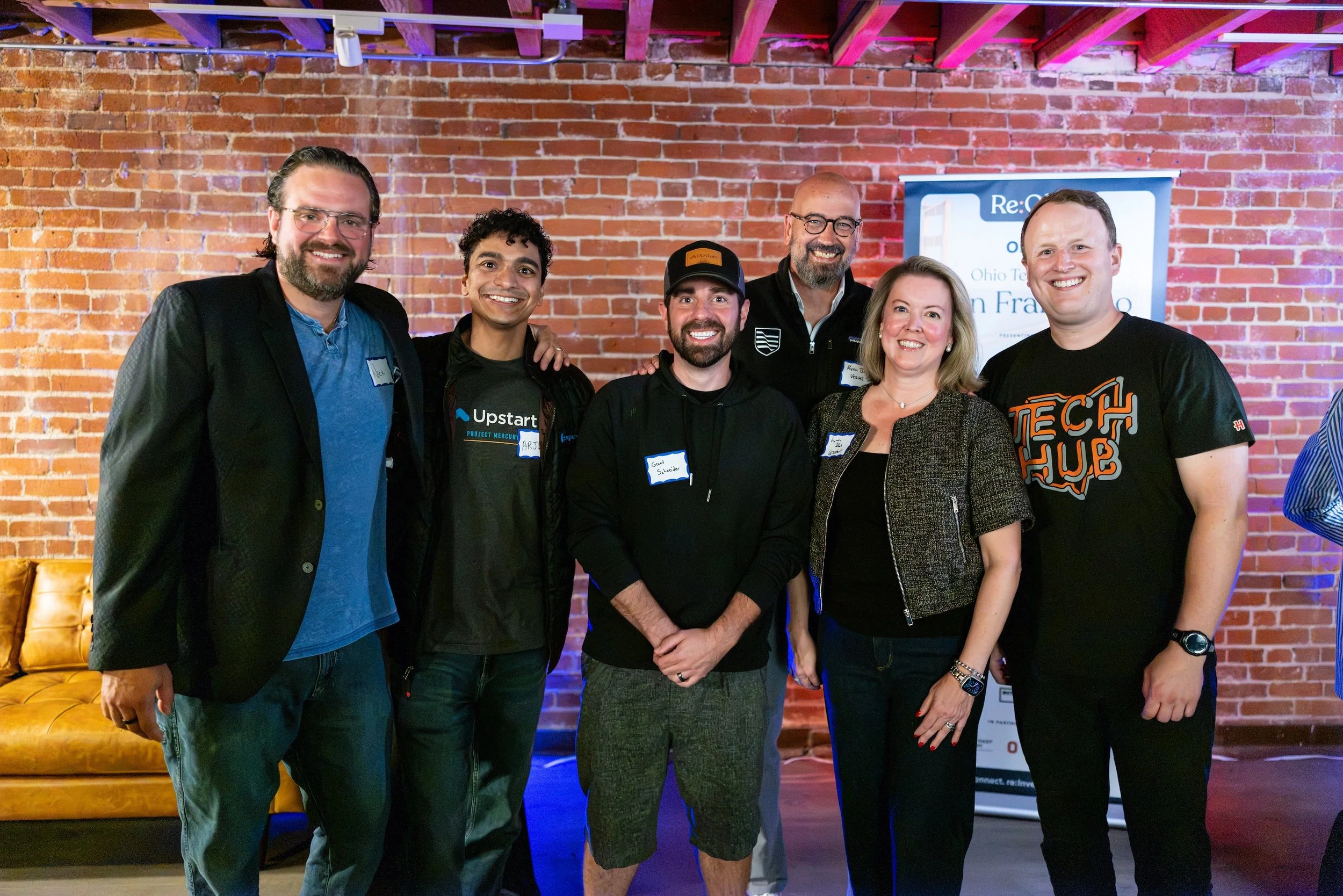
One of the clearest examples of that relationship came from Grant Schneider, CTO of Upstart, who spoke during the gathering.
Schneider grew up in southeast Ohio and earned three degrees from Ohio State, including a Ph.D. in statistics, before heading to Silicon Valley and joining Upstart in 2014 as one of the company's earliest machine learning engineers.
A few years later, he helped lead the San Mateo, California-based fintech's search for a second headquarters.
The search narrowed roughly 25 cities to Columbus and Chicago before Upstart ultimately chose Columbus in 2018. Schneider later described the strategy as finding the "best of both worlds" rather than abandoning the Bay Area.
The Columbus operation became far more than a satellite sales office. Upstart built engineering, data science and machine learning capabilities there, with one of its early auto-refinancing products developed almost entirely by the Columbus team.
Schneider returned to Upstart as CTO in February 2026 as part of a broader leadership transition at the publicly traded AI lending company. Schneider has led the company’s machine learning efforts through much of the Upstart’s history.
His path — Ohio to Silicon Valley and ultimately back to Ohio while remaining at the center of a major AI company — reflects one of the opportunities behind the San Francisco gathering.
The goal isn't necessarily to convince every Ohioan in California to move back. It's to make the distance between the two ecosystems smaller.
Path Robotics builds globally from Columbus
Path Robotics, a founding partner of Ohio Tech Night, offers another version of the story.
The Columbus physical-AI company has been making national headlines after Huntington Ingalls Industries, the country's largest military shipbuilder, announced agreements worth up to $900 million with Path and California-based GrayMatter Robotics to bring AI-powered automation into U.S. Navy shipbuilding.
Path could receive up to $600 million in work over seven years if performance milestones are met.
The technology will ultimately be deployed in coastal shipyards, but much of the underlying robotics and AI work will be engineered from Columbus.
It's another reminder that geography works differently in the current technology economy: a company can build advanced AI and robotics in Ohio, sell to customers around the world and still benefit from deep relationships on the coasts.
Building the Ohio network effect
That was ultimately the premise behind Ohio Tech Night.
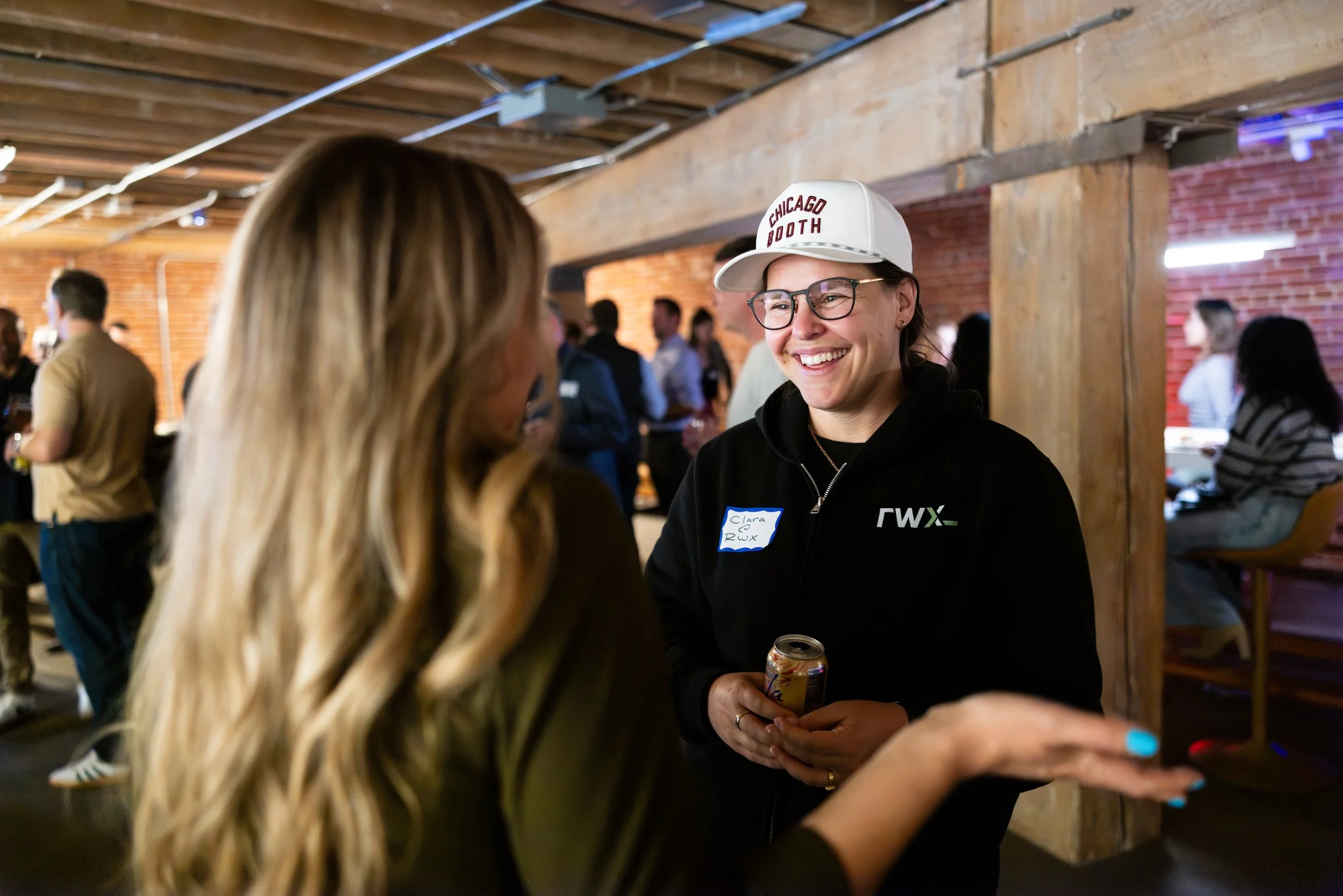
The event targeted Ohioans already living in California, investors and operators interested in the state, and Ohio founders, companies, and VCs traveling west to raise capital, recruit talent, find customers and establish new relationships. Organizers described the goal as connecting Bay Area capital and talent with Ohio companies while showcasing what founders and builders in the state are creating.
The gathering included participants across software, artificial intelligence, life sciences, deep tech and advanced manufacturing, with Ohio companies, universities and economic development organizations represented.
The broader opportunity is bigger than a single event.
Ohio's emerging technology economy increasingly intersects with the Bay Area through companies like Upstart, founders raising coastal capital, universities commercializing research and companies like Path Robotics building globally significant technology from the Midwest.
Ohio Tech Night was an attempt to make those connections more deliberate.
Put enough Ohioans, investors, founders and operators in the same room, and one introduction can lead to another.
That's the Ohio network effect.